
The Tax Revolt
William Tell (P. G. Wodehouse Edition)This thread traces how oppressive taxation turns private discontent into an organized revolt and, ultimately, independence.
increasing Bearing strength in each event
 decreasing
Bearing strength in each eventdecreasingA Country Taxed
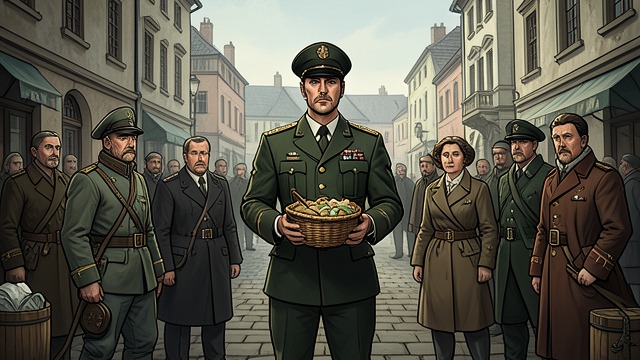
A Country Taxed
The Governor’s policy
Hermann Gessler taxes livestock, food, and ordinary goods, making rule feel intrusive in daily life.
Growing discontent
The Swiss people resent paying for necessities and begin to consider collective protest.
The grievance supplies the revolution with a concrete cause.
Failed Petition
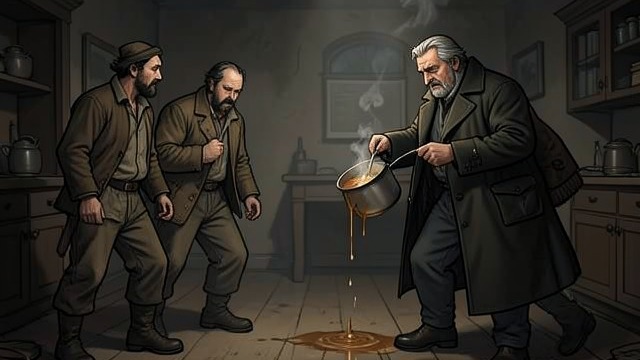
Failed Petition
A delegation speaks
Walter Furst, Werner Stauffacher, and Arnold of Melchthal ask Hermann Gessler to change the taxes.
Coercion replaces argument
Gessler uses boiling oil to make the delegates withdraw their complaint and pay for the audience.
The petition shows that ordinary appeal cannot restrain his power.
A Leader Is Chosen
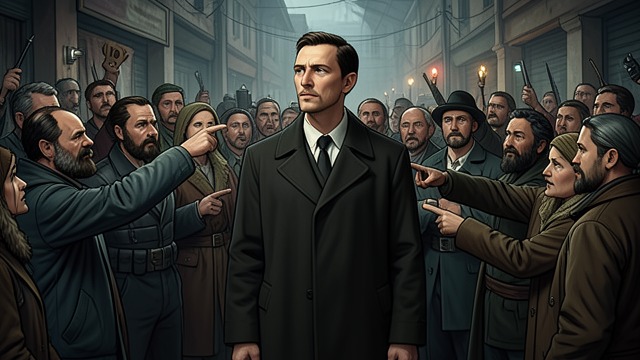
A Leader Is Chosen
Public frustration
The failed delegates return to a crowd that learns the taxes remain in force.
A reluctant patriot
The people name William Tell as their leader, but he declines to manage their meetings and promises to help through action.
The movement has a figurehead, though its organization remains tentative.
Resistance Begins
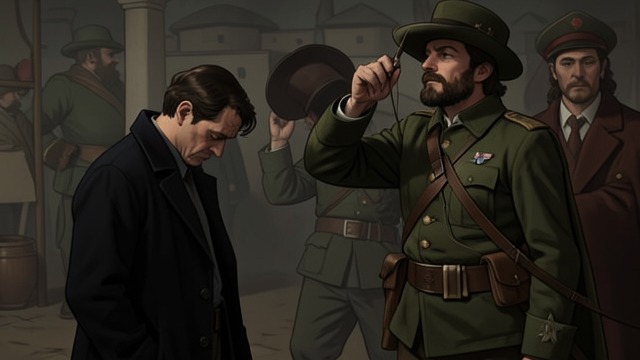
Resistance Begins
An imposed ritual
Hermann Gessler orders everyone to bow to his hat, turning obedience into a public test.
Defiance becomes visible
William Tell crosses without bowing and shoots through the hat after soldiers attack him.
The people’s anger takes a shared, public form.
Independence Secured
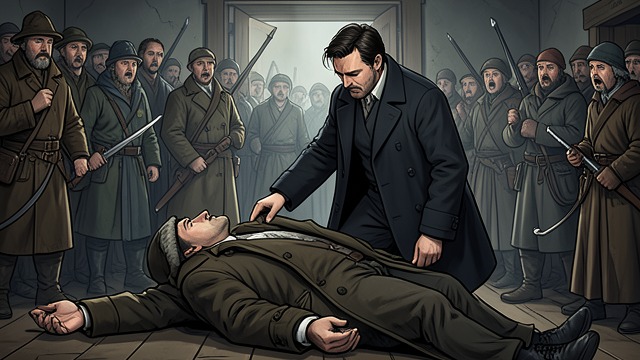
Independence Secured
Rebellion spreads
The death of Hermann Gessler signals the Swiss people to rise and seize the fortresses.
A political opening
The Emperor’s death leaves his successor occupied, allowing the rebellion to succeed without a counterattack.
Switzerland becomes free after resistance meets a decisive opportunity.
At the story’s opening
Early in the story, after the taxes provoke public complaints
Soon after the failed petition
After the cap is placed in the meadow
Near the ending, after Hermann Gessler’s death
